Looking back at the evolution of SOLA’s production bases for its flagship products—such as mini and compact wallets and bags—reveals the very path SOLA has taken in its pursuit of the “optimal solution for organization.”

In the early days, we searched for factories in Japan but struggled to find suitable facilities, so we started with a small team of artisans. As production volume increased, we considered costs and capacity and even tried manufacturing in China and Taiwan for a time. However, there was a period when the production of mini and compact, slim wallets—particularly the card pockets, which required precision down to the millimeter—did not go as planned.
At the time, we couldn’t find a suitable facility either in Japan or overseas, but by gathering individual artisans and operating with a small team, we were able to maintain production—then as now. The Japanese factory we later connected with has also contributed to our production line, and this marks the first time we’ve entrusted them with full-scale production.
People often say that overseas production is no good, but Japanese-made products are fine. At SOLA, we believe this is half true and half false. While we agree that it’s easier to control various aspects when manufacturing in Japan, there are still instances where production isn’t possible, promises aren’t kept, or products delivered don’t match the contract specifications—even in Japan. Therefore, ultimately, it comes down to who—which company or factory—can actually produce the product, rather than the country of origin.
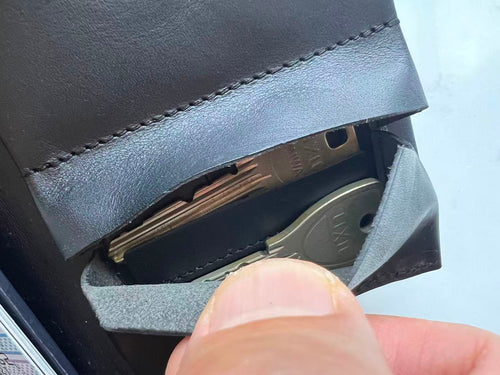
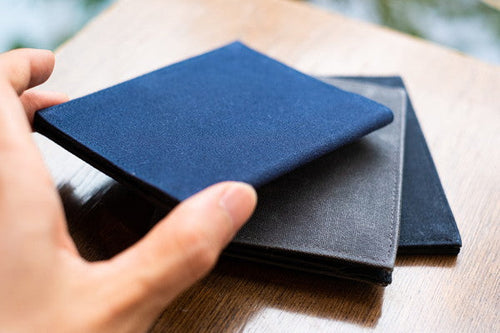
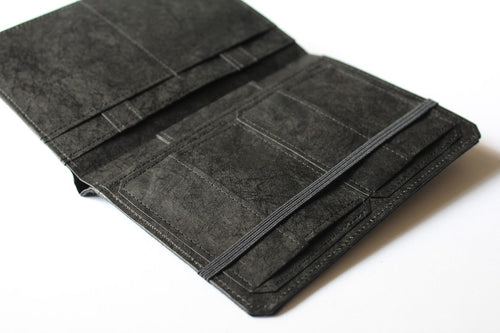
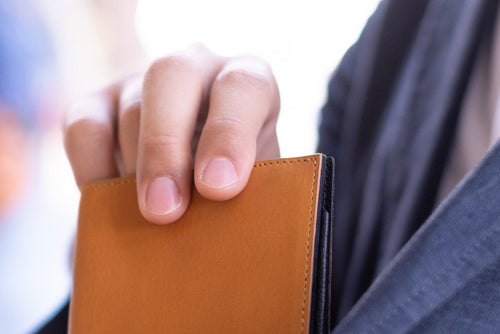
The slim, compact wallets shown below cannot be produced outside of our current manufacturing system.
Tenuis 3rd Generation:
https://solahanpu.com/products/tenuis-third
Tenuis 4th Generation:
https://solahanpu.com/products/tenuis-fourth